


Tree Roots in Drains: Prevention & Solutions
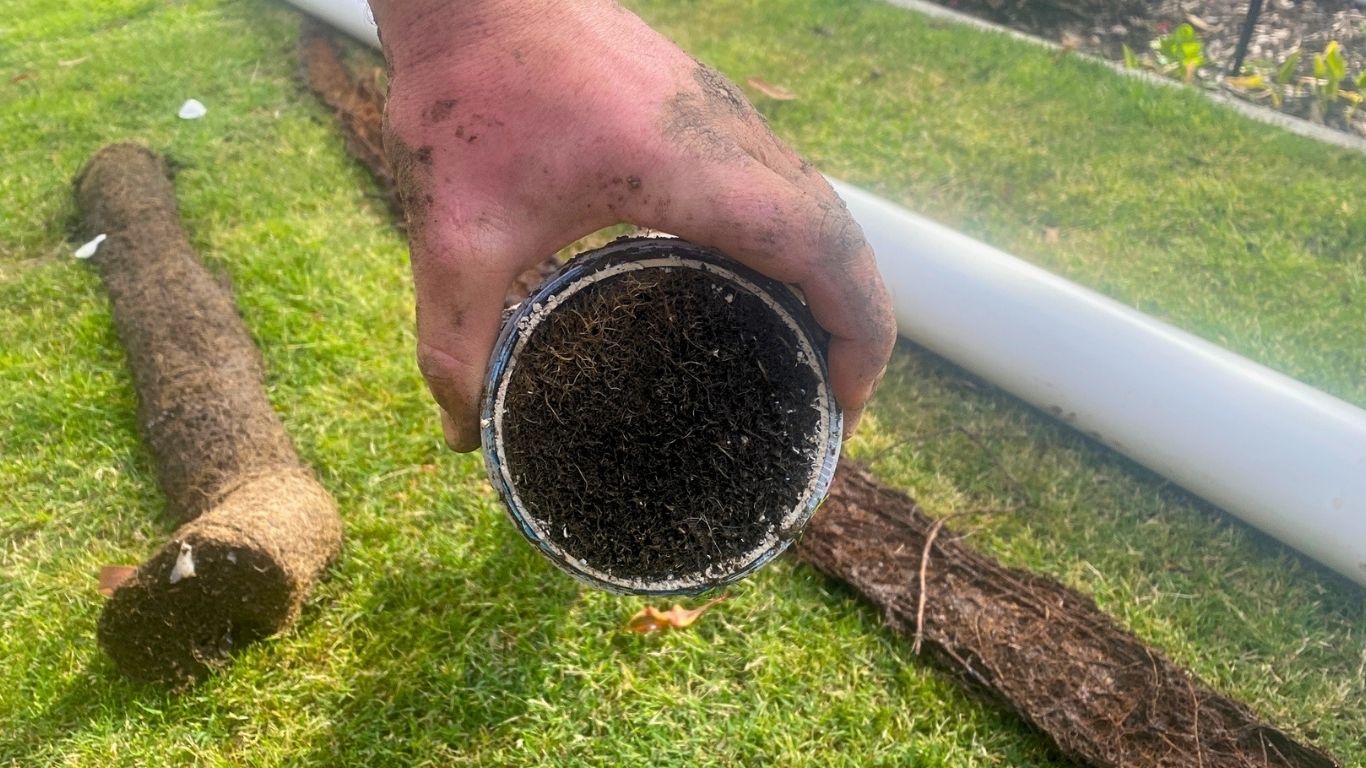
Tree roots are one of the most common causes of blocked drains in Melbourne. If you’ve got mature trees in your yard and you’re experiencing slow drains or recurring blockages, tree roots might be the culprit.
Why Tree Roots Target Your Drains
Tree roots don’t deliberately attack your pipes—they’re just looking for water and nutrients. Your sewer line provides both.
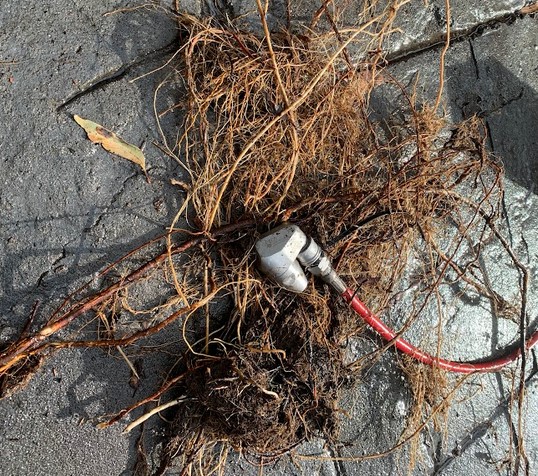
Even intact pipes leak small amounts of water vapour through joints and connections. Tree roots sense this moisture and grow toward it. Once they find a small crack or gap in your pipe, they force their way inside.
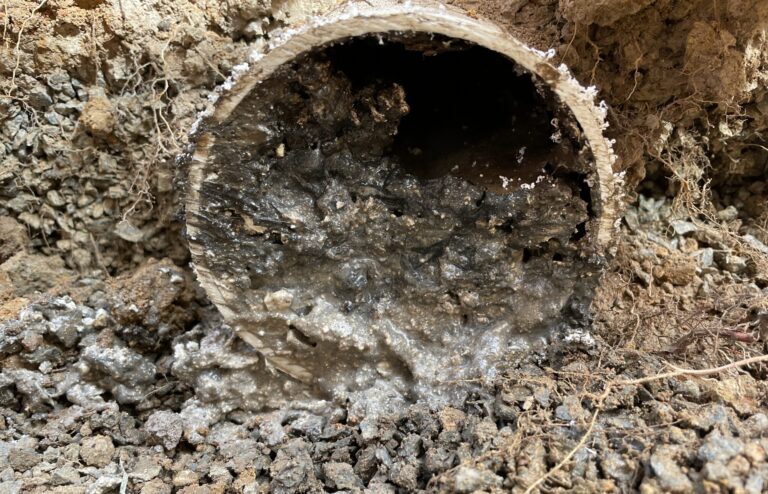
Inside the dark, moist sewer line, roots thrive. They grow rapidly, forming thick mats that trap debris and cause blockages. As roots expand, they widen cracks and split pipe joints, turning a minor intrusion into a major structural failure.
Signs Tree Roots Have Invaded Your Drains
- Slow draining throughout the house (multiple fixtures affected)
- Recurring blockages in the same location
- Gurgling sounds when you flush toilets or empty sinks
- Sewage smells from drains
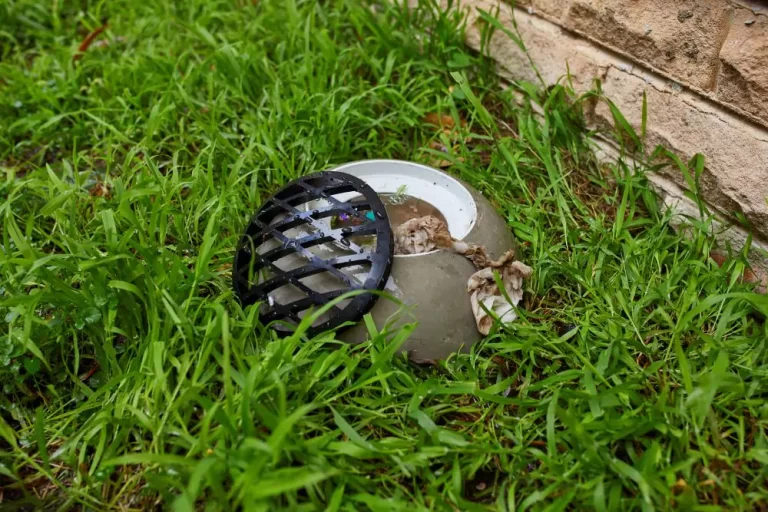
- Sewage backup into showers, toilets, or outdoor gullies
- Unusually green grass patches over your sewer line
- Soft ground or sinkholes in your yard
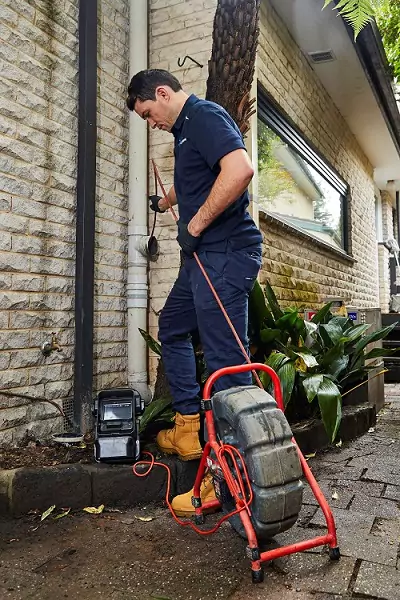
If you notice any of these signs, book a CCTV drain inspection. A camera inspection shows exactly where roots are and how severe the problem is.
Which Trees Cause the Most Problems?
Some tree species have aggressive root systems that actively seek water:
High-risk trees:
- Willows
- Poplars
- Liquidambars
- Elms (common in Melbourne’s older suburbs)
- Eucalypts
- Fig trees
Lower-risk trees:
- Bottlebrush
- Japanese Maple
- Crepe Myrtle
- Citrus trees
However, any mature tree near your sewer line poses some risk—especially if your pipes are old clay or terracotta.
How to Prevent Tree Root Damage
1. Know Where Your Sewer Lines Are
Before planting trees, locate your sewer and stormwater lines. Most councils provide a drainage diagram with property purchases.
Safe planting distances:
- Small trees (under 4m): 2+ metres from sewer lines
- Medium trees (4-8m): 4+ metres
- Large trees (8m+): 6-10+ metres
2. Choose Trees Carefully
Avoid high-risk species near sewer lines. Consult an arborist before planting large trees.
3. Install Root Barriers
Physical root barriers deflect roots downward away from shallow sewer lines. They’re most effective when installed during tree planting.
4. Maintain Your Pipes
Tree roots target damaged pipes. Keep your drainage system in good condition:
- CCTV drain inspection every 2-3 years if you have mature trees nearby
- Repair cracks and leaks promptly
- Replace aging terracotta or clay pipes with modern PVC (roots can’t penetrate intact PVC)
5. Regular Drain Cleaning
Preventative hydro jetting (high-pressure water cleaning) removes small root intrusions before they become major blockages. Annual or bi-annual jetting is smart for properties with known root issues.
Solutions for Existing Root Problems
Hydro Jetting (Temporary)
High-pressure water blasts roots out of pipes. It clears blockages fast, but roots regrow within 6-12 months. Best for emergency clearance or annual maintenance between permanent repairs.
Mechanical Root Cutting (Temporary)
A rotating cutting head slices through thick root masses. More aggressive than jetting, but roots still regrow.
Pipe Relining (Permanent)
Pipe relining is the modern gold-standard solution. It repairs damaged pipes from the inside without excavation.
How it works:
- CCTV inspection assesses damage
- Hydro jetting removes existing roots
- A resin-impregnated liner is inserted and inflated inside the pipe
- The resin hardens, creating a seamless new pipe inside the old one
- Final CCTV inspection confirms the repair
Advantages:
- No excavation—your garden stays intact
- Faster than dig-and-replace (usually one day)
- Roots can’t penetrate the new lining
- 50+ year lifespan
- Often cheaper than excavation
Excavation and Replacement (Last Resort)
When pipes have completely collapsed or are beyond relining, excavation and replacement may be necessary. Modern replacements use PVC, which roots can’t penetrate.
How Much Does It Cost?
Approximate Melbourne pricing (2026):
- CCTV drain inspection: $250-$400
- Hydro jetting (root clearing): $300-$600
- Pipe relining (per metre): $250-$500/m
- Full excavation and replacement: $2,000-$10,000+
Emergency callouts and weekend work cost more.
Frequently Asked Questions
Can I remove the tree to fix the problem?
Removing the tree won’t remove roots from your pipes. Dead roots decay slowly—you’ll still need to clear or reline the drain. Many Melbourne councils also protect significant trees, making removal illegal without a permit.
Will pipe relining stop roots forever?
Yes. The seamless resin liner eliminates cracks and gaps, so roots have no entry point. Properly installed relining prevents future root intrusion for 50+ years.
My drains are blocked—is it urgent?
Complete blockages (sewage backing up into your home) are urgent health hazards. Partial blockages (slow drains) should be addressed within days before they worsen.
Are older suburbs more at risk?
Yes. Suburbs with established trees and aging clay pipes—such as Kew, Hawthorn, Kooyong, Toorak, Malvern, and Camberwell—see higher rates of root intrusion. If your property was built before 1980, inspect your drains regularly.
Protect Your Drains from Tree Roots
Tree roots and drains don’t have to be enemies. With smart tree selection, proper maintenance, and modern repair techniques like pipe relining, you can enjoy Melbourne’s tree-lined streets without blocked drains.
Act early when you notice slow drains or recurring blockages. A CCTV inspection gives you the facts, and early intervention saves thousands in repair costs.
Need help with tree root blockages in Melbourne?
Jet Plus Plumbing offers fast, professional drain inspections and pipe relining services across Melbourne’s eastern and southeastern suburbs.
Call us: 0421 725 624
Email: info@jetplusplumbing.com.au
Available 24/7 for emergency drain blockages.