





Thermostatic Mixing Valves
NEED A PLUMBER?
CALL US 0421 725 624
Thermostatic Mixing Valves Plumber
Thermostatic mixing valves help deliver hot water at a controlled, consistent temperature, reducing the risk of scalding at showers, basins and other outlets. Jet Plus Plumbing provides thermostatic mixing valve installation, testing, maintenance and repair services across Melbourne.
If your water temperature is fluctuating, a TMV is due for testing or you need advice for a commercial property, call 0421 725 624 or request a quote online.
What is a thermostatic mixing valve?
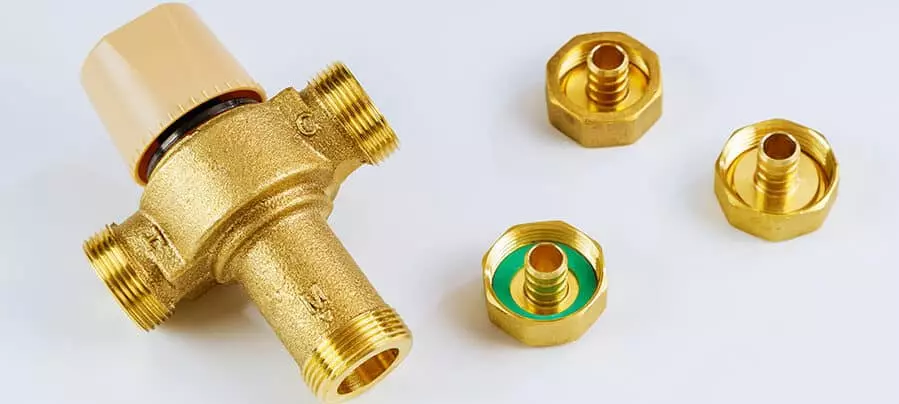
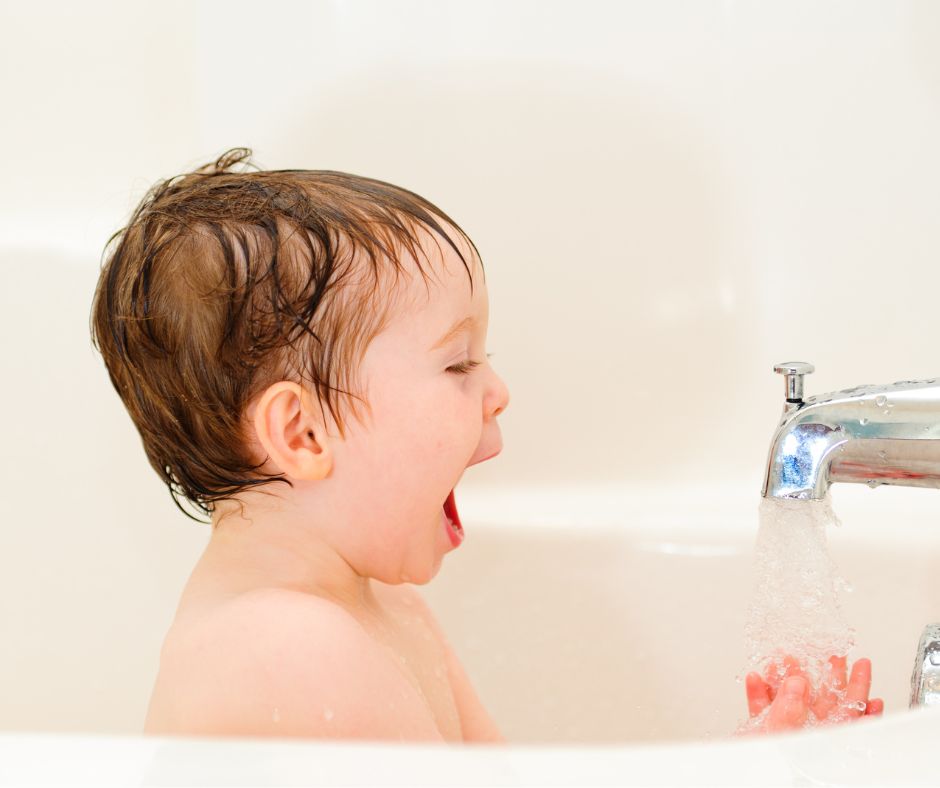
A thermostatic mixing valve, commonly called a TMV, blends hot and cold water to help maintain a controlled outlet temperature. This allows hot water systems to be managed for hygiene and system performance while helping reduce the risk of excessively hot water reaching people at the tap or shower.
TMVs can be installed at individual outlets or used as part of a wider hot water distribution system. The correct valve, location and temperature setting depend on the building, the hot water system, the outlets being supplied and the risks associated with the property.
TMV work is regulated in Victoria. You can read the Victorian Building and Plumbing Commission guidance on thermostatic mixing valve work for more information about the types of work covered.

Plumbing emergency?
Get in touch with us.
Why TMV Testing and Maintenance Matter
A TMV can become less reliable over time due to scale, blocked strainers, worn internal parts, pressure changes, incorrect settings or changes to the surrounding plumbing system. A valve that is not operating correctly may cause water to run too hot, too cold or fluctuate between temperatures.
Regular testing and maintenance can help identify problems before they affect residents, customers, staff or vulnerable people using the property. It can also help property owners and facility managers keep better records of their plumbing maintenance and respond to testing requirements.
Testing frequency depends on the type of installation, the property and the requirements that apply to the relevant water and plumbing system. If you are unsure when your TMV was last tested, contact our team before the next maintenance date is missed.
Who Needs Thermostatic Mixing Valves?
TMVs may be used wherever controlled hot water temperature is important. They are commonly found in:
- Aged care facilities and retirement living
- Medical, dental and healthcare facilities
- Schools, childcare centres and community buildings
- Hotels, apartments and shared accommodation
- Restaurants, cafés and commercial kitchens
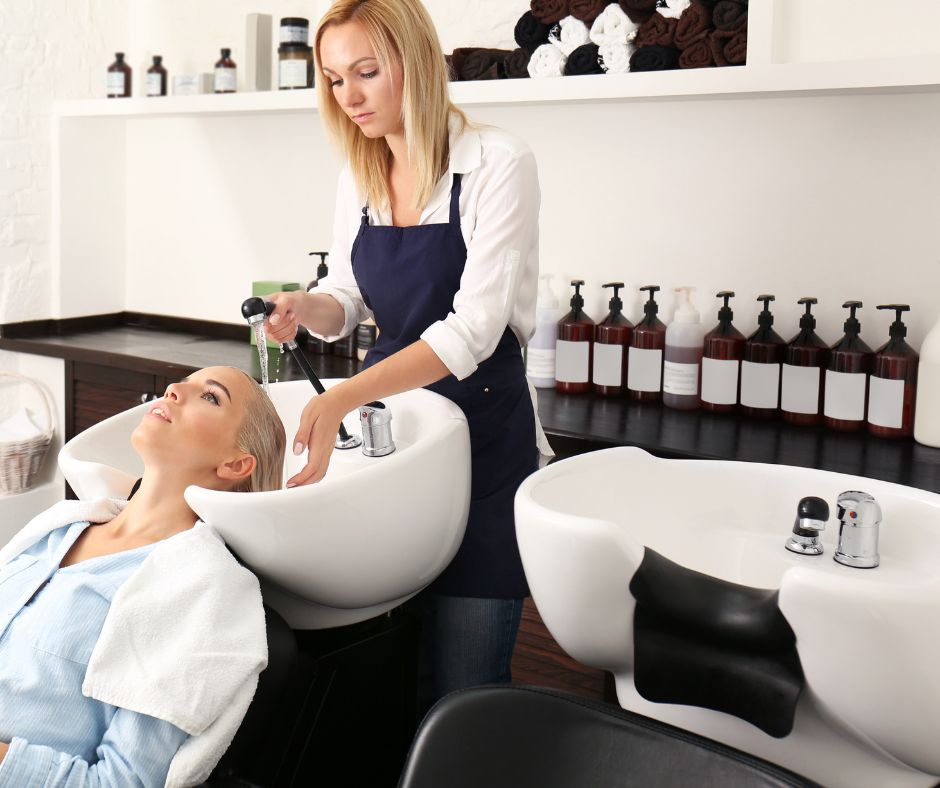
- Hairdressing and beauty salons
- Veterinary clinics and animal grooming facilities
- Commercial and residential properties with multiple hot water outlets
Businesses and facility managers should know which outlets are protected, where the TMVs are located and when testing or maintenance is due. If a property has been renovated, the hot water system has changed or the water temperature is no longer consistent, an inspection is a sensible next step.
Signs Your TMV May Need Attention
Arrange an inspection if you notice:
- Water that suddenly runs too hot or too cold
- Large temperature changes while the tap or shower is running
- Slow hot water delivery or reduced flow
- Noisy pipes, vibration or unusual valve sounds
- A TMV that is leaking or showing signs of corrosion
- A failed test, maintenance notice or overdue service record
- Recent changes to water pressure, pipework or hot water equipment
Do not try to dismantle or adjust a TMV yourself. Incorrect settings can create unsafe water temperatures or affect the operation of the wider hot water system.
Our TMV Inspection and Testing Process
- We discuss the property, the symptoms and any testing or compliance notice.
- We identify the valve, outlets and surrounding hot and cold water connections.
- We inspect the valve, strainers, pipework and accessible components.
- We test water temperature and operation using the appropriate procedure.
- We explain whether the valve needs servicing, adjustment, repair or replacement.
- We provide the next-step options and discuss any records or documentation required.
Our Thermostatic Mixing Valve Services
Jet Plus Plumbing can assist with TMV plumbing enquiries for residential, commercial and specialist properties, including:
- Thermostatic mixing valve installation
- TMV testing and temperature checks
- TMV servicing and preventative maintenance
- Repair or replacement of faulty mixing valves
- Investigation of inconsistent or unsafe water temperatures
- Point-of-use TMV inspections
- Central TMV and hot water distribution enquiries
- Advice after a compliance, maintenance or testing reminder
We can inspect the existing valve and plumbing arrangement, explain the issue and recommend the next step. Depending on the condition of the valve, this may involve cleaning, servicing, adjustment, repair or replacement.
Book TMV Testing or Repairs in Melbourne
If your thermostatic mixing valve needs testing, servicing, repair or replacement, Jet Plus Plumbing can help. Tell us your suburb, property type, symptoms and whether you have a maintenance or compliance notice.
Phone: 0421 725 624
Email: info@jetplusplumbing.com.au
Available: Monday–Friday 7 AM–5 PM; 24/7 emergency service
Jet Plus Plumbing Pty Ltd | ABN 97 660 015 789 | Licensed Plumber | Fully Insured | Serving Melbourne Since 2017
Frequently Asked Questions
A TMV blends hot and cold water to help maintain a controlled outlet temperature. This helps improve consistency and reduce the risk of excessively hot water at showers, basins and other outlets.
The required testing and maintenance frequency depends on the type of installation, the property and the requirements that apply. Commercial and care-related facilities should keep a clear maintenance schedule and confirm the requirements for their system.
Both devices blend hot and cold water, but they are not interchangeable in every application. The correct choice depends on the hot water system, outlet temperatures, building use and applicable plumbing requirements. A plumber can advise which valve is suitable.
Possible causes include a faulty or dirty TMV, blocked strainers, changing water pressure, worn internal parts or another issue within the hot water system. An inspection is needed to identify the cause safely.
Some TMVs can be serviced or repaired, while others are more practical to replace. The decision depends on the valve type, age, condition, available parts and test results.
Some homes use TMVs to control water temperature at particular outlets or as part of a wider hot water system. Whether one is appropriate depends on the property, occupants, plumbing layout and hot water equipment.