



Pipe Relining Melbourne
NEED A PLUMBER?
CALL US 0421 725 624
Repair Damaged Pipes Without Major Excavation
Cracked, leaking or root-damaged pipes do not always need to be dug up and replaced. Pipe relining is a trenchless repair method that creates a new lining inside the existing pipe, helping restore the pipe without excavating the full length of your garden, driveway, flooring or paved area.
Jet Plus Plumbing provides pipe relining assessments across Melbourne for residential, commercial and strata properties. We start with an inspection, explain what is causing the problem and confirm whether relining is suitable before recommending the next step.
What is pipe relining?
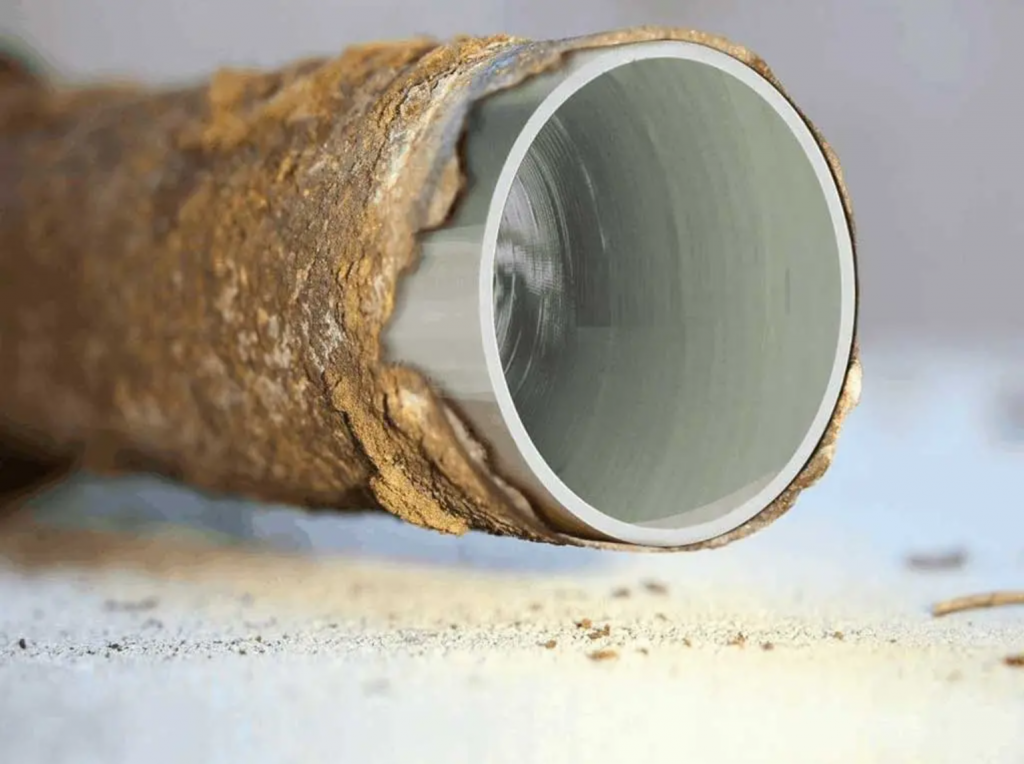
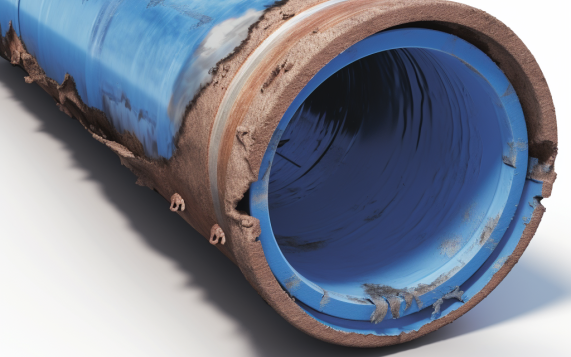
Pipe relining, also called drain relining or trenchless pipe repair, involves installing a resin-coated liner inside an existing damaged pipe. The liner is positioned through an access point, expanded against the inside of the pipe and cured in place. This forms a smooth inner pipe within the old pipe.
The method can be useful for selected sewer, drain and stormwater pipe repairs where the existing pipe is accessible and has enough structure to support the liner. It is not automatically suitable for every damaged pipe, so a CCTV inspection and site assessment are important before work is recommended.
Need help with damaged pipework? Call Jet Plus Plumbing on 0421 725 624 or request a quote online.

Plumbing emergency?
Get in touch with us.
Why Choose Pipe Relining Over Traditional Pipe Replacement?
Less disruption to your property
Traditional pipe replacement can involve excavation, removal of landscaping and reinstatement after the repair. Where relining is suitable, the repair can often be completed through existing access points with less disturbance to the surface above.
Helps seal cracks and joints
The cured liner creates a continuous inner surface that can seal selected cracks, gaps and leaking joints. It can also reduce the openings that allow tree roots to enter a damaged pipe.
Restores the inside of the pipe
Once the liner has cured, the pipe has a renewed internal surface. This may improve flow through the repaired section and reduce the chance of the same defect causing another blockage.
A practical option beneath hard surfaces
Relining may be worth assessing when a damaged pipe runs beneath a concrete slab, driveway, tiled area, retaining structure or established garden. It does not eliminate the need for excavation in every situation, but it can reduce the amount of digging when the pipe and site conditions are suitable.
Tree roots and damaged sewer pipes
Tree roots can enter pipes through cracks, failed joints and small openings. Once inside, they can restrict flow and collect paper, grease and other debris, leading to repeated blockages.
Melbourne Water explains that roots can block and damage underground drains, sewers and water infrastructure. If roots are found during a drain inspection, the immediate blockage may need to be cleared before the pipe is assessed for relining.
When is pipe relining recommended?
Pipe relining may be worth considering when:
- A CCTV inspection identifies cracks, leaking joints or root entry
- The pipe runs below concrete, paving, landscaping or a building
- Excavation would be difficult, deep or highly disruptive
- The pipe is accessible through an existing inspection opening
- Repeated drain cleaning is treating the symptom but not the underlying defect
- The existing pipe has enough structural integrity for a liner
Pipe relining may not be appropriate where the pipe has fully collapsed, has severe deformation, lacks access or requires changes to the existing layout. We will explain the limitations before recommending the work.
How Our Pipe Relining Process Works
1. We inspect the pipe
We begin by assessing the symptoms and using CCTV inspection where access allows. The camera helps identify cracks, roots, displaced joints, corrosion, blockages and other defects inside the pipe.
2. We determine whether relining is suitable
The pipe’s material, size, access, alignment and structural condition all matter. We explain whether pipe relining, pipe patching, excavation, replacement or another repair method is the most practical option.
3. We clean and prepare the pipe
The pipe must be clear enough for the liner to be positioned correctly. Depending on the condition of the pipe, this may involve drain cleaning, root removal or high-pressure water jetting before installation.
4. We install and cure the liner
The resin-coated liner is inserted into the affected section and positioned within the existing pipe. It is expanded against the pipe wall and cured to form a new inner surface.
5. We check the finished repair
Where practical, a follow-up inspection can confirm that the liner has formed correctly and that the repaired section is open and flowing as expected.
Pipe relining, pipe patching or pipe replacement?
The best repair depends on the defect:
- Pipe relining: a longer section is damaged and the existing pipe can support a new liner.
- Pipe patching: a localised defect may be repaired with a shorter liner section.
- Pipe replacement: the pipe is fully collapsed, inaccessible or unsuitable for a lining system.
- Drain cleaning or hydro jetting: the pipe is blocked but has not been shown to have a structural defect.
Our related services include CCTV drain inspections and hydro jetting. A clear diagnosis helps avoid paying for a repair method that does not address the actual cause.
Preventing future pipe problems
Avoid flushing wet wipes, paper towels, sanitary products, fats, oils or other unsuitable materials. Melbourne Water’s household guidance explains that these items can cause problems in sewer pipes even when products are labelled “flushable”.
Keep an eye out for warning signs such as slow drainage, recurring blockages, gurgling, sewer odours, wet patches or water backing up from an overflow relief gully. Early inspection can help identify a damaged pipe before the problem becomes more disruptive.
Why Choose Jet Plus Plumbing?
- Melbourne plumbing team with experience across residential and commercial properties
- CCTV-led assessment before recommending a repair
- Clear explanation of relining, patching, cleaning and replacement options
- Trenchless solutions considered where excavation would be disruptive
- Service coverage across Melbourne metro and surrounding areas
- One team for drain cleaning, CCTV inspection, hydro jetting and pipe repair
Need pipe relining in Melbourne?
If your drains keep blocking, your pipe has been damaged by roots or your sewer line is leaking beneath a hard surface, Jet Plus Plumbing can assess the problem and explain the available repair options.
Call Jet Plus Plumbing to arrange a pipe inspection and discuss whether no-dig pipe relining is suitable for your property.
Phone: 0421 725 624
Email: info@jetplusplumbing.com.au
Available: Monday–Friday 7 AM–5 PM; 24/7 emergency service
Jet Plus Plumbing Pty Ltd | ABN 97 660 015 789 | Licensed Plumber | Fully Insured | Serving Melbourne Since 2017
Frequently Asked Questions
Pipe relining creates a new inner pipe inside an existing damaged pipe using a resin-coated liner. It is a trenchless repair method that may avoid extensive excavation when the pipe is suitable.
Pipe relining is designed to minimise excavation and is usually installed through an existing access point. Some excavation may still be needed if access is unavailable or another repair method is required.
They may be, depending on the extent of the damage and the condition of the existing pipe. Roots and debris generally need to be cleared first, followed by CCTV inspection to determine whether relining is appropriate.
Usually, a fully collapsed or severely deformed pipe may not provide enough structure for a liner. Excavation, replacement or another repair may be required after assessment.
It can be suitable for some stormwater pipe defects, but the pipe’s access, size, condition and location must be assessed first.
Drain cleaning can clear a blockage, but it does not repair a cracked or damaged pipe. CCTV inspection helps determine whether the issue is a blockage, a structural defect or both.
The cost depends on the pipe’s length, diameter, access, location, condition and the preparation required. A plumber needs to inspect the pipe and site before providing an accurate recommendation and price.