




How to Get Rid of Drain Flies
Drain flies can easily ruin your relaxing bathing time. These small, moth-like insects breed in stagnant water and organic debris found in drains, making them a common issue in bathrooms and kitchens. Not only are they unpleasant — they can also indicate an underlying plumbing problem that won’t go away on its own.
If your drain flies keep coming back no matter what you try, the cause is likely deeper in your pipes than any DIY method can reach. Here’s what you can do at home, and when it’s time to call a plumber.
6 Steps to DIY Methods to Eliminate Drain Flies
- Clean the Drains
Start by cleaning the interior walls of your drains using a drain brush. This removes the organic build-up where drain flies breed. Pay close attention to the edges and hard-to-reach areas — the flies lay their eggs in the film that coats the inside of the pipe, not just on the surface. - Flush with Hot Water
Pour hot water down the drain to dislodge any remaining debris and
larvae. Repeat this process daily for a few days to ensure thorough cleaning. If the flies come back within a few days of doing this, there’s build-up further down the pipe that hot water can’t reach. - Use a Vinegar and Baking Soda Mix
Combine half a cup of baking soda with half a cup of vinegar and pour it into the drain. Let it sit for a few hours or overnight — the fizzing action breaks down organic matter. Flush the drain with hot water the next morning. - Apply a Commercial Enzyme Cleaner
Use an enzyme-based cleaner specifically designed for breaking down organic matter in drains. Follow the product’s instructions and apply it directly to the affected drain. These are safe, eco-friendly, and more effective than standard drain cleaners for this type of problem. - Set Up a DIY Fly Trap
While you’re treating the drain, set a simple trap to catch adult flies: a bowl filled with equal parts vinegar, sugar, and water with a few drops of dish soap. Place it near the drain to attract and capture the adults while you deal with the source. - Repeat the Process
Consistency is key. Repeat these steps every few days to ensure all larvae and adult flies are eliminated. Monitor the drains for recurring activity and clean them regularly to prevent re-infestation.
When to Call a Professional Plumber
DIY methods work well for surface-level build-up. But drain flies that return within a week or two — despite thorough cleaning — usually mean the organic matter is sitting deeper in the pipe, or there’s an underlying issue creating the conditions they need to breed.
Call a professional plumber if:
- Drain flies keep reappearing despite thorough cleaning
- Multiple drains in your home are affected at the same time (this often points to the sewer line, not just a single drain)
- There’s a persistent drain smell even after cleaning
- You’re noticing slow drainage or gurgling sounds alongside the flies
- There are signs of hidden water leaks, blocked drains or moisture under the floor
In these cases, a CCTV drain inspection is the fastest way to find the source. We run a camera through the line, locate the build-up or blockage, and clear it properly — so the flies don’t come back next week.
Professional plumbers can perform a deep clean of your plumbing system and inspect for any underlying issues, ensuring a long-term solution to the problem.
Contact Jet Plus Plumbing for Drain Fly Issues
Drain flies are a common but manageable problem. The DIY steps above will clear most minor cases. But if the infestation persists, don’t keep treating the symptom — the issue is in your plumbing.
Jet Plus Plumbing is based in Berwick and services all of Melbourne metro. We carry CCTV inspection equipment on the van and can usually identify and fix the source in a single visit.
Call us on 0421 725 624 or book online.
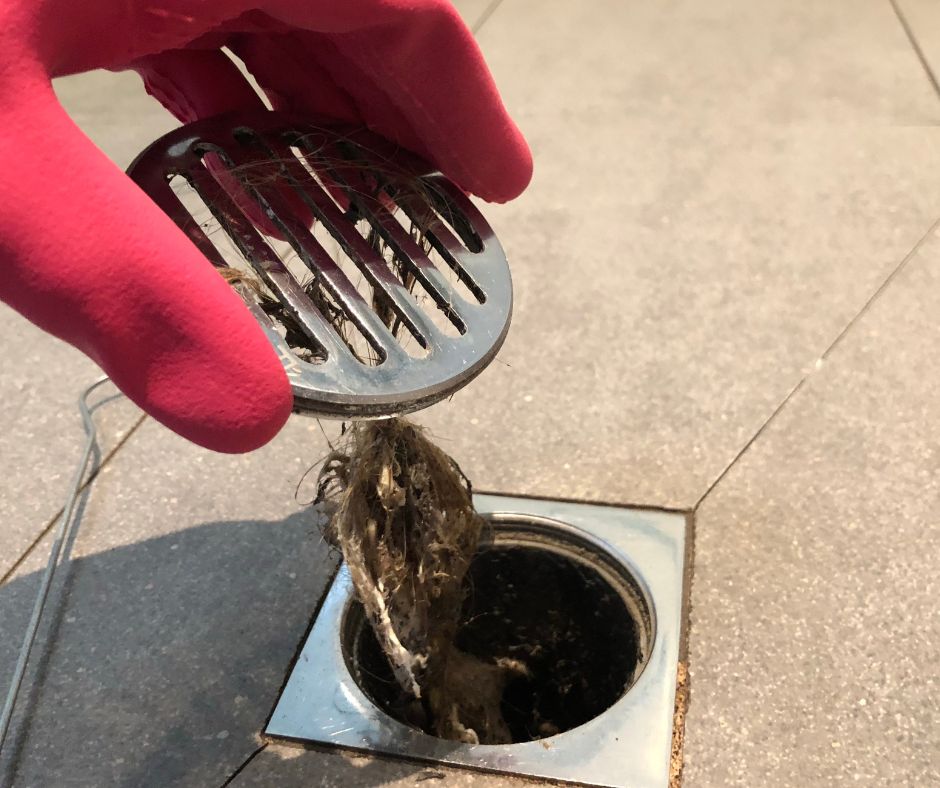
Drain flies (also called moth flies) are tiny insects from the Psychodidae family. They breed in the organic matter — grease, hair, soap scum — that builds up inside slow or partially blocked drains. They’re most common in bathrooms and kitchens and are a sign that your
drain needs a proper clean.
Before tackling the problem, it’s important to confirm that the insects you’re dealing with are indeed drain flies. These small, moth-like insects measure about 2-5 mm and have fuzzy wings, often appearing grey or tan in colour. Most active during the evening, they are typically found near drains, sinks, or other moist areas. Signs of infestation include flies hovering around drains, stagnant water, or moist surfaces, often accompanied by a musty smell. If you suspect their presence but are unsure, a simple test involves placing sticky tape (sticky side down) over the suspected drain overnight; if flies are present, they will adhere to the tape.
If drain flies return after cleaning, the organic matter they breed in is sitting deeper in the pipe than surface cleaning can reach. This is usually caused by a slow or partially blocked drain, build-up in the sewer line, or a slow leak creating damp conditions. A professional drain clean or hydro jet service removes the deeper build-up.
Understanding the lifecycle of drain flies can help you target their elimination effectively. Drain flies undergo a complete metamorphosis consisting of four stages: egg, larva, pupa, and adult. Female drain flies lay their eggs in moist environments rich in organic matter, such as clogged drains. These eggs hatch into larvae within 32 to 48 hours. The larvae feed on the organic build-up for 9 to 15 days before forming a cocoon-like pupa. After 1 to 2 days, adult flies emerge, ready to reproduce. This short lifecycle allows them to multiply quickly, making prompt action essential to control their population.
Often, yes — especially if they keep coming back. Persistent drain flies usually indicate a partial drain blockage, slow-running pipe, or organic build-up in the sewer line. In some cases they can also point to a slow leak. A CCTV inspection is the fastest way to confirm the
cause.
While drain flies are non-biting and do not directly harm humans, they can still pose health risks. These insects often live and breed in unsanitary conditions, such as drains clogged with decaying organic material. As a result, they can carry and spread bacteria or pathogens that may contaminate surfaces, food, or water. This makes them particularly concerning in kitchens, bathrooms, and food preparation areas. Their presence may also aggravate respiratory conditions for individuals sensitive to allergens. Keeping your drains clean and addressing infestations promptly can reduce these potential health risks.
Yes. We identify the root cause — whether it’s a blocked drain, sewer line issue, or deeper organic build-up — and clear it properly. Most drain fly problems are resolved in a single visit. Call us on 0421 725 624.
NEED A PLUMBER?
CALL US 0421 725 624
BOOK ONLINE!

Need a Reliable Plumber in Melbourne?
We service all of Melbourne — Berwick, Narre Warren, Rowville, Knox, Frankston, and suburbs in between. Not sure if we cover your area? Give us a call and we’ll let you know.
Phone: 0421 725 624
Email: info@jetplusplumbing.com.au
Available: Monday–Friday 7 AM–5 PM; 24/7 emergency service
Jet Plus Plumbing Pty Ltd | ABN 97 660 015 789 | Licensed Plumber | Fully Insured | Serving Melbourne Since 2017